
1. The Shift Toward Natural, Non-Stimulant ADHD Support Ingredients
Attention-Deficit/Hyperactivity Disorder (ADHD) and associated executive function challenges represent one of the fastest-growing neuro-cognitive health categories globally. Historically managed almost exclusively via central nervous system (CNS) stimulants, consumer demand and clinical research have undergone a fundamental paradigm shift. Today's global procurement managers, dietary supplement brand owners, and product developers are actively searching for natural ADHD support ingredients that deliver measurable neuro-enhancement, improved attention span, and impulse control—without the adverse side-effect profiles of conventional stimulants.
Traditional pharmaceutical interventions frequently present significant formulation and compliance hurdles: insomnia, appetite suppression, cardiovascular strain, and emotional blunting, particularly in pediatric demographics. Consequently, search intent patterns across search engines and AI engines reveal that B2B buyers are asking critical technical questions: Which botanical active ingredients possess published human clinical trials for ADHD? What are the exact neurotransmitter pathways involved? How can we ensure pediatric safety starting from age 6? What are the regulatory and stability parameters when formulating gummies, capsules, or functional beverages?
At Green Plants Extracts (GPE), operating under the international legacy of Comercial Química Massó, S.A. (with over 15 years of dedicated botanical active ingredient expertise), we specialize in bridging clinical phytochemistry with commercial manufacturing. This monograph provides an evidence-based roadmap for sourcing standardized, science-backed botanical active ingredients designed to address executive function, working memory, sensory overload, and emotional regulation.
💡 Information Gain: The Tri-Phasic Neuro-Modulation Mechanism
Unlike synthetic mono-targeted compounds, standardized botanical extracts act via multi-target biological pathways. GPE's portfolio modulates monoamines (dopamine, serotonin, norepinephrine reuptake inhibition), promotes Brain-Derived Neurotrophic Factor (BDNF) expression, and regulates microglial neuroinflammation, offering a holistic, non-habituating solution for cognitive focus and stress resilience.
2. Clinically Validated Botanical Portfolio for ADHD & Cognitive Support
Developing a market-leading neuro-cognitive supplement requires active ingredients that maintain standardized phytochemical fingerprints, demonstrated bio-availability, and rigorous safety dossiers. Below are GPE’s primary proprietary ingredients specifically positioned for natural ADHD support, emotional well-being, and cognitive performance.
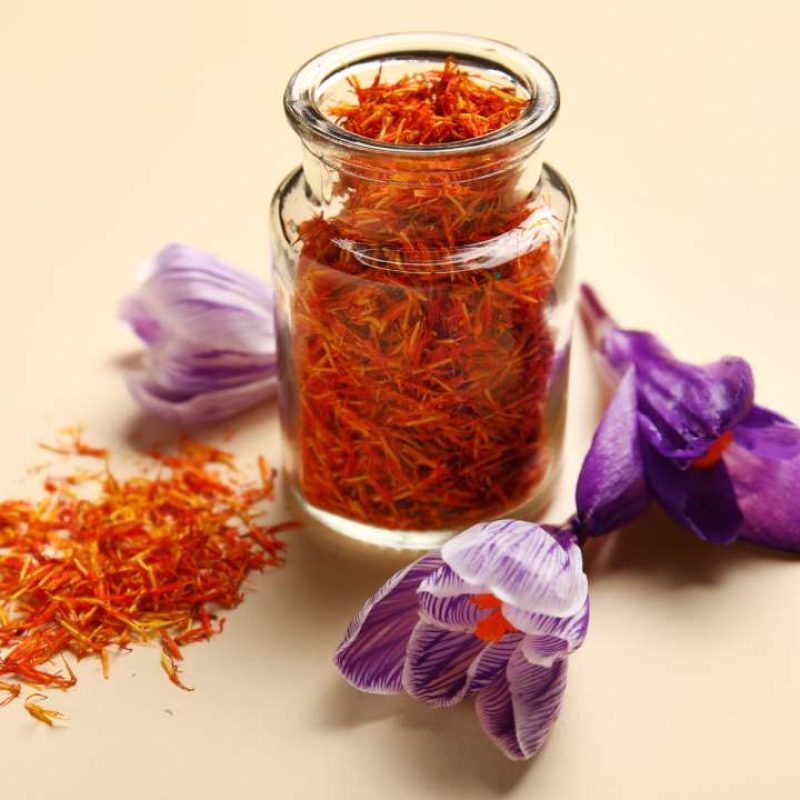
SAFFR'ACTIV®
100% natural, premium Crocus sativus L. extract standardized in active crocin isomers, picrocrocin, and safranal via HPLC. Clinically validated in pediatric and adult ADHD studies to improve attention span, decrease hyperactivity, and support emotional balance without sedation or restlessness.
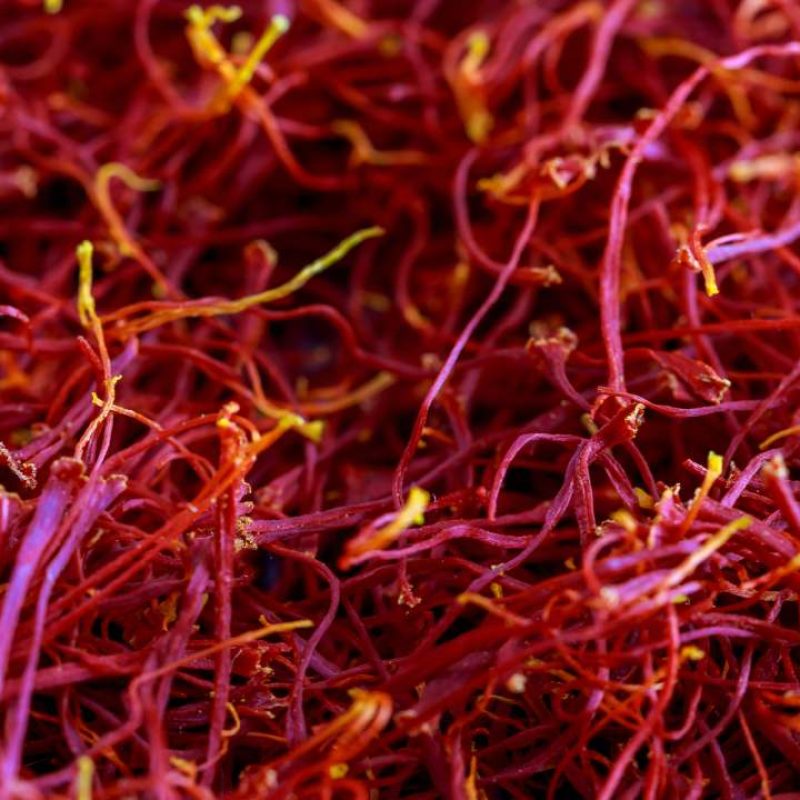
SCUTELL'UP®
Proprietary Scutellaria baicalensis extract rich in bioactive flavones (baicalin and baicalein). Attenuates microglial neuroinflammation, regulates GABAergic neurotransmission, and enhances working memory, cognitive flexibility, and mental endurance under heavy academic or professional stress.

CENTELLORY®
High-purity Centella Asiatica active extract standardized in triterpenic glycosides (asiaticoside, madecassoside). Promotes dendritic arborization, synaptic plasticity, and long-term memory retention, safeguarding neuronal networks against oxidative degradation.
PROBIOSTRESS®zen
An innovative psychobiotic association combining standardized saffron extract with clinically documented probiotic strains. Regulates the vagus nerve signaling pathway, dampens cortisol hyper-reactivity, and relieves gastrointestinal somatization related to emotional stress and sensory overload.
3. Technical Comparison & Clinical Evidence Matrix
For product development teams and compliance officers, evaluating ingredients requires precise technical comparisons across standardization levels, clinical evidence strength, pediatric suitability, and formulation parameters.
| Botanical Active | Primary Bioactives | Neuro-Target Pathways | Clinical Evidence Strength | Pediatric Compliance (Age 6+) | Formulation Compatibility |
|---|---|---|---|---|---|
| SAFFR'ACTIV® | Crocin Isomers, Picrocrocin, Safranal | Dopamine, Serotonin & Norepinephrine Reuptake Inhibition; BDNF Elevation | Pilot study & 2 published RCTs; 3rd clinical trial in progress | Validated (Clinically Trialed) | Water-Soluble; Ideal for Gummies, Tablets, Liquids & Powders |
| SCUTELL'UP® | Baicalin, Baicalein, Wogonin | Microglial Anti-Neuroinflammation; GABAergic Modulation | In vitro & In vivo cognitive models; human pilot evaluation | Adult focus; Pediatric assessment on request | Water-Soluble; Excellent thermal processing stability |
| CENTELLORY® | Asiaticoside, Madecassoside, Triterpenes | Dendritic Arborization; Synaptic Density & Axonal Regeneration | Extensive preclinical & clinical literature validation | Adult cognitive maintenance | Partially Soluble; Excellent for capsules & functional food matrices |
| PROBIOSTRESS®zen | Psychobiotic Strains + Saffron Bioactives | HPA-Axis Regulation; Vagus Nerve & Serotoninergic Gut-Brain Axis | Clinical trial on stress, anxiety, and gut motility correlation | Adult stress & sensory balance | Dry solid dosage forms; requires controlled water activity ($a_w$) |
4. Future Sourcing & Product Development Trends (2025–2030)
The market for cognitive health and ADHD support is evolving rapidly. Global procurement directors must anticipate emerging retail and clinical trends to build resilient, high-margin product pipelines:
- Transition from Generic Nootropics to Targeted Neuro-Modulators: Consumers and health practitioners are turning away from high-dose caffeine and unstandardized herbal powders. Sourcing strategies now prioritize high-potency, low-dose extracts with precise HPLC molecular signatures.
- Pediatric Clean-Label Standardization: Parents actively seek non-prescription natural ADHD alternatives for children. Formulations must utilize non-GMO, allergen-free, pesticide-free botanical ingredients certified by EU Pharmacopoeia standards.
- Sensory-Friendly Alternative Delivery Formats: Pill fatigue among children and teenagers with ADHD makes chewable gummies, orally disintegrating granules (ODGs), and liquid stick-packs the dominant delivery formats. Active ingredients must possess low astringency and high heat/pH stability.
- Synergistic Non-Stimulant Stacks: Advanced formulators are stacking monoamine-modulating saffron (SAFFR'ACTIV®) with GABAergic Scutellaria (SCUTELL'UP®) to create 24-hour cognitive support regimens that maintain daytime executive focus without causing evening insomnia.
5. Formulating with Botanical ADHD Actives: Technical Considerations
Integrating bioactive botanical extracts into stable, commercially viable finished products requires careful attention to physical-chemical parameters:
- Standardization Verification via HPLC vs. UV-Vis: Spectrophotometric (UV-Vis) testing frequently yields false-positive overestimations due to overlapping absorbance spectra of degraded plant pigments. GPE guarantees batch testing using high-performance liquid chromatography (HPLC-DAD), ensuring that active crocin and safranal molecules remain fully bioavailable throughout shelf life.
- Water Activity ($a_w$) & Moisture Control: When combining botanical extracts with psychobiotics (as in PROBIOSTRESS®zen), the water activity of the matrix must be maintained below $0.20\ a_w$ to preserve probiotic cell viability and prevent crocin hydrolysis.
- Organoleptic Optimization: Saffron and Scutellaria active compounds can introduce subtle bitter or floral notes if unmasked. Due to SAFFR'ACTIV®'s high efficacy at low clinical doses (starting at 15–30 mg/day), organoleptic impact on gummies and functional beverages is minimal, eliminating the need for excessive synthetic masking agents.


