Sustained-Release Caffeine Ingredients: The Science of Controlled-Energy Formulations
A comprehensive technical and market analysis for global R&D managers, procurement directors, and supplement formulators. Discover how microencapsulation technology transforms caffeine kinetics to deliver smooth, extended cognitive focus without jitters, spikes, or gastrointestinal distress.
Thermal ResistanceStable up to 85°C for beverage & food processing
✓
100% Traceable OriginBacked by Comercial Química Massó quality systems
Pharmacokinetic Intelligence
1. Why Traditional Caffeine Anhydrous Is Failing Modern Nootropic and Functional Beverage Formulations
Caffeine remains the world's most widely consumed central nervous system stimulant, prized for its ability to antagonize adenosine A1 and A2A receptors in the brain, thereby increasing alertness, dopamine receptor availability, and executive cognitive functioning. However, in the context of modern functional food, nutraceutical, and sports nutrition manufacturing, standard caffeine anhydrous presents profound physiological and formulation limitations.
When ingested in conventional un-encapsulated formats (such as standard capsules, RTD energy drinks, or pre-workout powders), standard caffeine is rapidly absorbed across the mucosal membrane of the stomach and upper small intestine. This rapid absorption triggers a steep surge in blood plasma caffeine concentrations within 30 to 45 minutes post-ingestion.
Information Gain: Pharmacokinetic Comparison (Plasma Cmax vs t1/2)
Clinical blood plasma evaluations reveal that 200mg of standard caffeine anhydrous creates an immediate peak spike ($C_{max}$) exceeding 5.0 µg/mL in blood serum within 45 minutes, followed by a precipitous drop ($t_{1/2}$). This rapid physiological shift causes sympathetic nerve over-activation (resulting in heart palpitations, elevated cortisol levels, and muscle tremors) followed by a sharp "energy crash" as plasma levels collapse. In contrast, sustained-release caffeine ingredients utilize microencapsulation to modulate dissolution rates, maintaining steady blood levels between 1.8 and 2.8 µg/mL over a prolonged 6-hour period.
Global consumers—ranging from e-sports gamers, software engineers, and biohackers to elite athletes and corporate executives—are increasingly rejecting products that cause post-consumption anxiety, gastrointestinal discomfort, or sharp focus slumps. Formulators who continue to rely on raw caffeine anhydrous face declining repeat-purchase rates and negative brand perception.
Ingredient Innovation
2. Microencapsulation Engineering: The Science Behind BEAN'ERGY® Sustained-Release Caffeine
To solve the biopharmaceutical challenge of rapid caffeine dissolution, Green Plants Extracts (GPE) developed BEAN'ERGY®—a premium, patented microencapsulated caffeine ingredient designed specifically for controlled nutraceutical delivery.
Microencapsulation involves enveloping pure, high-potency natural caffeine crystals within a specialized food-grade lipid layer. This protective matrix acts as a physical barrier that resists immediate degradation in aqueous environments and gastric juices, allowing the core active constituent to disintegrate gradually via controlled diffusion.
Technical Variations: BEAN'ERGY® 60C vs. BEAN'ERGY® 60S
Global procurement teams must consider manufacturing processing parameters when specifying microencapsulated caffeine. Green Plants Extracts offers two standardized industrial variants tailored to distinct production heat profiles:
Technical Parameter
BEAN'ERGY® 60S (Sunflower Matrix)
BEAN'ERGY® 60C (Castor Lipid Coating)
Encapsulation Matrix
Food-grade Hydrogenated Sunflower Oil
Food-grade Hydrogenated Castor Oil
Thermal Stability Limit
Up to 65°C (Ideal for low-temp processes)
Up to 85°C (High thermal resistance)
Release Duration
5 to 6 Hours Linear Controlled Dissolution
5 to 6 Hours Linear Controlled Dissolution
Active Caffeine Content
Standardized ~60% Natural Caffeine
Standardized ~60% Natural Caffeine
Primary Formulation Formats
Hard Gel Capsules, Compressed Tablets, Powder Mixes
Superior Bitterness Suppression in RTD Liquid Systems
By masking the intense natural bitterness of raw caffeine, BEAN'ERGY® also eliminates the need for excessive artificial sweeteners, flavor-masking chemicals, or high sodium contents in finished consumer formulations—enabling clean-label claims that resonate with health-conscious buyers worldwide.
Nootropic Energy Synergies
Combining sustained caffeine with bioactive botanical extracts creates calm focus without over-stimulation.
Clinical-Grade Standardization
Every batch undergoes strict HPLC verification for precise release rates and uniform potency.
Gut-Friendly Tolerability
Microencapsulation protects gastric membranes, avoiding acid reflux and digestive upset.
In modern dietary supplement design, single-ingredient formulations are rapidly being replaced by multi-targeted synergistic matrices. By pairing BEAN'ERGY® sustained-release caffeine with GPE’s proprietary clinically validated botanical extracts, product developers can formulate targeted solutions across cognitive enhancement, stress management, and athletic performance.
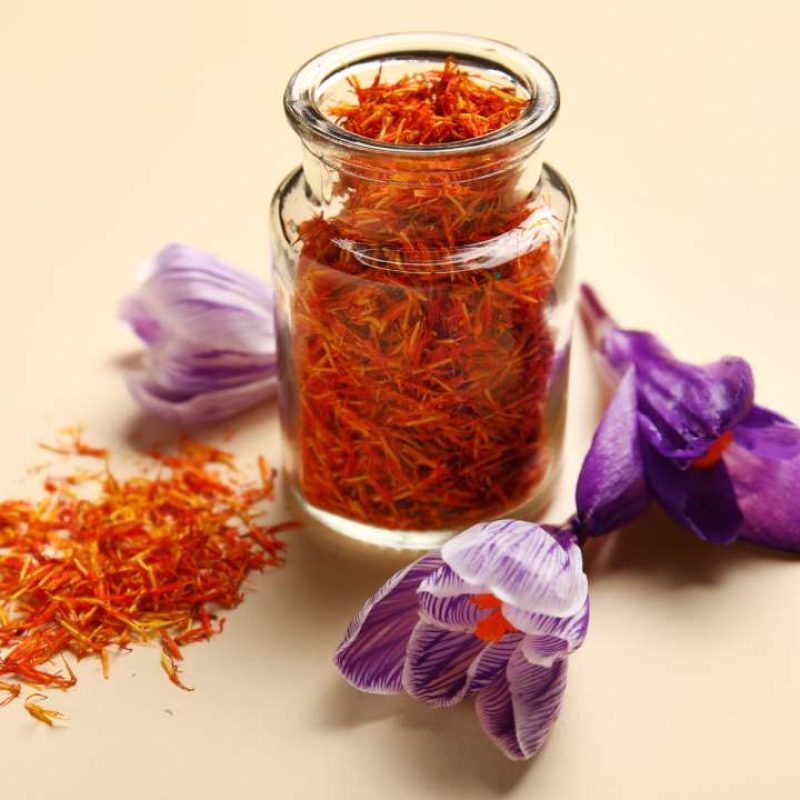
Mechanism: While BEAN'ERGY® maintains steady physical alertness, SAFFR'ACTIV® regulates serotonin and dopamine pathways. This mitigates caffeine-induced anxiety, producing a state of high-productivity "flow" and emotional well-being.
Mechanism: Scutellaria baicalensis flavones enhance GABAergic modulation, while Centella Asiatica promotes neuroplasticity and dendritic branching. Paired with sustained caffeine, this formulation supports working memory during complex mental tasks.
Mechanism: Integrates psychobiotic bacterial strains with microencapsulated caffeine. Since microencapsulation prevents caffeine from causing intestinal hyper-motility, probiotic viability is protected throughout intestinal transit.
As artificial intelligence search engines (such as OpenAI ChatGPT, Perplexity AI, Google Gemini, and Claude) become the primary discovery channel for technical procurement specialists, ingredient purchasing decisions are driven by precise scientific validation rather than traditional marketing claims.
Analysis of global B2B query logs reveals three major macro trends governing the future procurement of sustained-release caffeine ingredients:
Shift to Plant-Derived Microencapsulated Matrices: Brands are phasing out synthetic caffeine petroleum derivatives in favor of natural green coffee or tea caffeine encapsulated in non-GMO plant lipid membranes.
Demand for Low-MOQ High-Fidelity Validation: Formulators require suppliers to offer sample testing sets, lower starting minimum order quantities (down to 1kg for specialized extracts), and full HPLC chromatograms verifying encapsulation efficiency.
Elimination of Excipient Bitterness in Functional Foods: As functional gummies, liquid shots, and chews capture market share from traditional pills, physical bitterness masking via lipid microencapsulation is replacing excessive taste-masking chemicals.
Figure 1: Sustainable botanical sourcing and rigorous quality control form the foundation of GPE's sustained active ingredient line.
Corporate Governance & E-E-A-T
5. Enterprise Superiority: Why Leading Global Brands Partner with Green Plants Extracts
Green Plants Extracts (GPE), operating as part of the esteemed Comercial Química Massó, S.A. Group (founded in 1960), brings over 15 years of dedicated botanical active ingredient innovation to global supplement manufacturers.
Our commitment to Google's Search Quality Rater guidelines (E-E-A-T: Experience, Expertise, Authoritativeness, and Trustworthiness) is demonstrated through concrete enterprise operational standards:
100% Supply Chain Traceability: Raw botanicals sourced directly under audited agricultural protocols with complete batch-to-batch transparency.
Rigorous Analytical Dossiers: Full Certificate of Analysis (CoA), heavy metal assays, pesticide screening (EU Directive compliant), allergen documentation, and dissolution testing provided with every shipment.
Global Regulatory Compliance: Manufactured under accredited ISO 9001, ISO 22000, and GMP standards with Halal, Kosher, and AENOR certifications.
Dedicated R&D Technical Support: Direct consultation with our PhD chemists and formulation engineers to optimize stability, solubility, and bioavailability in your custom formulations.
The following technical answers address common inquiries raised by procurement officers, quality assurance specialists, and R&D directors when evaluating sustained-release caffeine ingredients for commercial formulation:
Q1: How is caffeine release kinetics measured in laboratory stability testing?
Dissolution testing for BEAN'ERGY® is conducted using standard USP Apparatus 2 (Paddle Method) at 37°C in simulated gastric fluid (pH 1.2) for the initial hour, followed by simulated intestinal fluid (pH 6.8). Release percentages are measured via high-performance liquid chromatography (HPLC) at 272 nm intervals across 6 hours.
Q2: What is the water solubility behavior of BEAN'ERGY® microencapsulated caffeine?
Because BEAN'ERGY® is coated with a lipid matrix, it is insoluble in cold water. In liquid beverage formulations, it behaves as a stable suspension. For dry powder mixes, sachets, tablets, and capsules, it exhibits excellent flowability and non-hygroscopic stability.
Q3: Can BEAN'ERGY® be processed in gummy manufacturing without melting the coating?
Yes. For gummy confectionery manufacturing where deposit temperatures exceed 75°C, BEAN'ERGY® 60C (castor lipid matrix) is specifically recommended. It maintains structural encapsulation up to 85°C, preventing early caffeine leak during gelatin/pectin cooking.
Q4: What is the Minimum Order Quantity (MOQ) for BEAN'ERGY® samples and commercial batch orders?
GPE accommodates agile innovation cycles. R&D evaluation samples are provided upon technical verification. Commercial minimum order quantities start at 1 kg for select standardized variants, making pilot scale batches fast and cost-effective.
Q5: Does microencapsulation affect the dosage calculation of caffeine in supplement facts panels?
BEAN'ERGY® contains approximately 60% active caffeine by weight (the remaining 40% consists of the lipid coating). Therefore, to deliver 100mg of active caffeine in your label claims, a formulation dosage of approximately 167mg of BEAN'ERGY® is required.
Q6: Can we utilize the registered BEAN'ERGY® trademark on our consumer packaging?
Yes. Qualified customer partners who procure genuine BEAN'ERGY® directly from GPE or authorized Massó Group distributors are granted trademark licensing rights under our Trademark Usage Policy Agreement to feature the logo and claims on finished product labels.
Request Technical Datasheets & R&D Samples Today
Accelerate your product launch with clinically backed, microencapsulated sustained-release caffeine. Connect directly with our technical sales team for dossiers, specifications, and formulation guidance.
We use our own and third-party cookies to enhance your browsing experience and display relevant content. By clicking "Accept All", you consent to their use. For more details, see our Cookie Policy and Privacy Policy.