
Cognitive Health
CENTELLORY®
Standardized Centella Asiatica Extract preserving memory & microvascular health

The therapeutic efficacy of Centella Asiatica relies entirely on its signature group of pentacyclic triterpenoid saponins. Unlike crude botanical powders, premium commercial-grade extracts are titrated to deliver precise stoichiometric concentrations of four primary active markers: Asiaticoside, Madecassoside, Asiatic Acid, and Madecassic Acid.
In commercial specification sheets, these compounds are categorized into glycosides (Asiaticoside and Madecassoside) and their corresponding aglycones or genins (Asiatic Acid and Madecassic Acid). The ratio between these fractions directly dictates the bio-kinetic profile, cellular absorption rate, and clinical targeted action of the finished formulation.
| Bioactive Marker | Chemical Class | Primary Pharmacological Pathway | Target Formulation Application |
|---|---|---|---|
| Asiaticoside | Triterpenoid Glycoside | Stimulates Type I collagen synthesis, enhances microvascular perfusion, neuroprotective signaling. | Oral Nootropics, Cognitive Support, Vascular Health |
| Madecassoside | Triterpenoid Glycoside | Downregulates pro-inflammatory cytokines (IL-1β, TNF-α), anti-glycation agent, antioxidant. | Anti-Inflammatory Supplements, Gut-Brain Axis, Nutricosmetics |
| Asiatic Acid | Triterpenic Aglycone | Modulates GABAergic pathways, inhibits acetylcholinesterase (AChE), promotes axonal growth. | Advanced Memory Formulas, Focus Capsules, Mood Balance |
| Madecassic Acid | Triterpenic Aglycone | Accelerates tissue remodeling, supports endothelial cell integrity, scavenges ROS. | Cellular Longevity Formulations, Skin Repair & Recovery |
When evaluating raw material batches, quality control teams must verify analytical methods via High-Performance Liquid Chromatography (HPLC-UV) mapped against reference standards from the European Pharmacopoeia (EP) or United States Pharmacopeia (USP). Inferior extracts often rely on non-specific UV spectrophotometry, which falsely inflates total triterpene percentages by detecting non-functional plant polyphenols. At Green Plants Extracts (GPE), every production lot undergoes rigorous HPLC fingerprinting to ensure consistent batch-to-batch chemical symmetry.
Formulators designing high-performance product pipelines rely on Centella Asiatica Extract due to its multifaceted bio-mechanism spectrum. Modern scientific research validates its therapeutic utility across three main health sectors:
Centella Asiatica is categorized as a premier adaptogenic nootropic. Clinical studies demonstrate that standardized triterpenic fractions protect neuronal cells from oxidative stress-induced apoptosis by elevating intracellular glutathione peroxidase levels and scavenging reactive oxygen species (ROS). Furthermore, Asiaticoside and Asiatic acid have been shown to modulate the GABAergic system, decreasing anxiety-like symptoms while boosting brain-derived neurotrophic factor (BDNF). This dual action improves dendritic arborization, enhancing memory formation, focus, and spatial learning performance without the overstimulation linked to central nervous system stimulants.
In vascular health, Centella Asiatica active triterpenes act directly on the connective tissues surrounding venous walls. By stimulating the synthesis of extracellular matrix components (collagen and fibronectin), the extract strengthens capillary integrity, decreases vascular permeability, and reduces peripheral edema. Clinical trials confirm significant improvements in patients suffering from Chronic Venous Insufficiency (CVI) and microcirculatory impairment during long-haul travel.
The booming "beauty-from-within" market heavily utilizes oral Centella Asiatica. Madecassoside and Asiaticoside promote fibroblast proliferation and upregulate collagen I and III synthesis, combating structural skin aging, solar elastosis, and systemic inflammatory skin conditions.
To help brand owners design market-leading formulations, Green Plants Extracts offers proprietary, science-backed botanical platforms. Centella Asiatica Extract performs exceptionally well both as a stand-alone standardized ingredient and when combined synergistically with our wider active portfolio:
GPE’s proprietary, highly standardized Centella Asiatica Extract. Engineered for superior stability and optimized bio-absorption, CENTELLORY® delivers a balanced spectrum of active triterpenes designed to preserve long-term memory, support neuro-regeneration, and enhance peripheral blood flow.
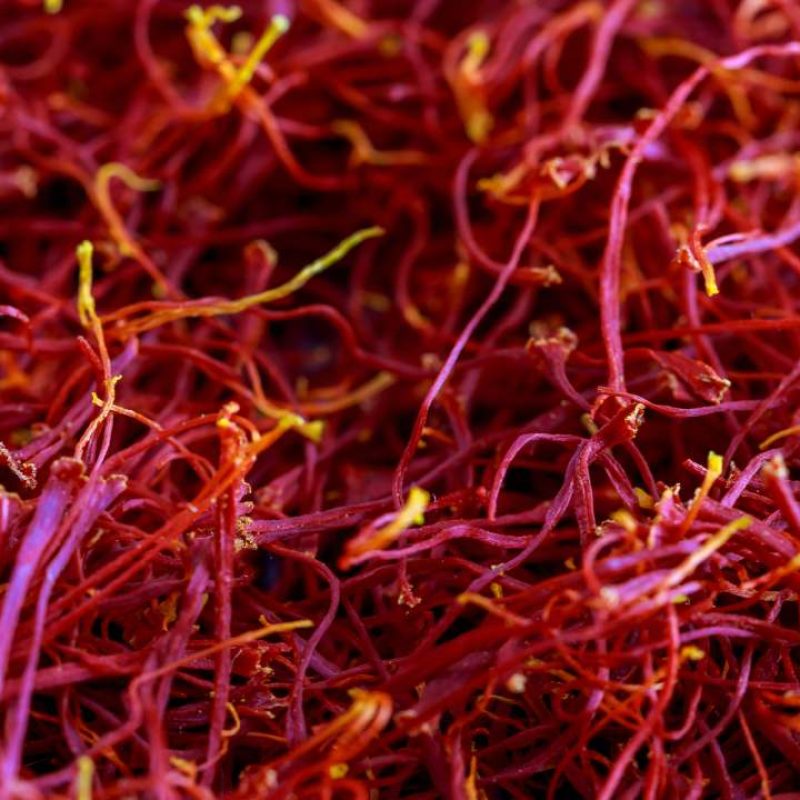
Clinically validated premium Saffron Extract. Combining CENTELLORY® with SAFFR'ACTIV® creates a powerful dual-action cognitive-emotional matrix—simultaneously mitigating stress-induced oxidative brain damage and balancing serotonin/dopamine neurotransmission.
Derived from standardized Scutellaria baicalensis, rich in flavones. Formulating CENTELLORY® alongside SCUTELL'UP® targets executive cognitive function, mental sharpness, and synaptic plasticity, delivering a premium caffeine-free nootropic stack.
Microencapsulated natural caffeine providing sustained plasma release without spike-and-crash effects. Paired with CENTELLORY®, it offers smooth, jitter-free mental stamina and sustained alertness for demanding work environments.
Synergistic Co-Formulation: When pairing CENTELLORY® (Centella Asiatica) with neuro-probiotics such as PROBIOSTRESS®zen, formulators must monitor water activity ($a_w$) levels in dry delivery formats (capsules/tablets). Maintaining $a_w < 0.20$ prevents premature degradation of probiotic viability while preserving the chemical stability of Asiaticoside glycosides.
AI-driven predictive search analytics and procurement databases highlight critical shifts in how global buyers evaluate and source Centella Asiatica Extract. Sourcing officers must prepare for three macro trends shaping the market:
Traditional industrial extraction methods historically relied on chlorinated solvents or high-concentration methanol, raising safety concerns regarding toxic residual compounds. The market is rapidly moving toward eco-friendly extraction techniques using food-grade hydro-ethanolic mixtures, supercritical $CO_2$, and membrane-assisted concentration. Buyers now routinely reject batches containing residual methanol (>50 ppm) or ethyl acetate, demanding 100% clean-label compliance suitable for organic and clean-brand certifications.
Wild-harvested Centella Asiatica leaves from Madagascar and India often face supply volatility, heavy metal contamination from soil runoff, and batch inconsistency. Future-ready procurement strategies require partnership with suppliers who enforce sustainable wild-crafting protocols or controlled agricultural cultivation. Full traceability from farm-to-extract is no longer optional—it is a baseline prerequisite for tier-one brands.
Generic health claims are facing tighter regulatory scrutiny from EFSA (European Food Safety Authority) and the US FDA. Formulators are stepping away from commoditized "Gotu Kola powders" in favor of branded, clinically supported ingredients like CENTELLORY® that provide quantifiable bio-marker guarantees, published safety dossiers, and verified bio-efficacy.
Incorporating Centella Asiatica Extract into commercial delivery formats presents technical challenges that R&D teams must address during early formulation phases:
As a specialized business unit of Comercial Química Massó, S.A., Green Plants Extracts (GPE) brings over 15 years of focused innovation in botanical science, supported by a corporate history spanning decades in specialty chemistry. Our global supply capabilities rest on four foundational pillars:
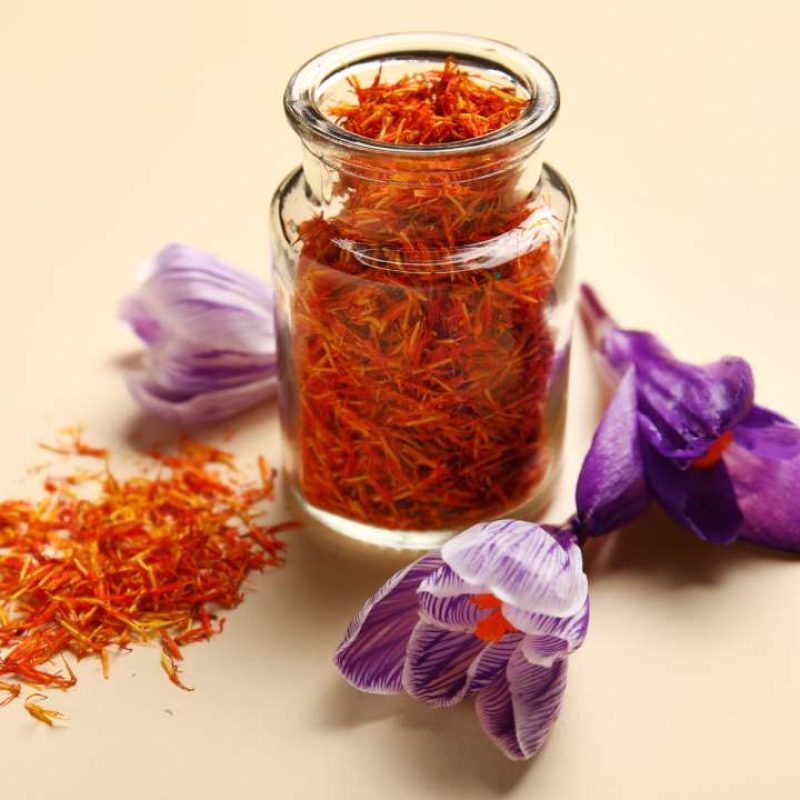
Eight science-backed proprietary ingredients engineered for stand-alone excellence and synergistic formulation.
Standardized Centella Asiatica Extract preserving memory & microvascular health
Supports emotional well-being & brain health naturally
Restores emotional balance & improves sleep quality
Enhances cognitive performance & mental potential
Supports urinary tract health with cranberry extract
Maintains a relaxed yet sharp, focused mind
Complementary association addressing women's health needs
Microencapsulated caffeine for prolonged energy release
Addressing the top technical, regulatory, and quality assurance queries raised by global procurement managers, R&D directors, and formulation scientists.
The Massó Group, of which GPE forms part, holds prestigious international certifications across all operating divisions—guaranteeing compliance, safety, and supply consistency.


