
1. Executive Summary & Semantic Market Context
Urinary tract infections (UTIs) represent one of the most widespread clinical concerns worldwide, affecting over 50% of women at least once in their lifetime and causing high rates of recurrence. In an era dominated by global concerns over Antimicrobial Resistance (AMR), the healthcare and dietary supplement industries are undergoing a paradigm shift: transitioning from reactive antibiotic interventions toward non-pharmacological, preventative bladder health management.
At the center of this movement is Cranberry Extract for Urinary Health derived from Vaccinium macrocarpon. However, modern B2B buyers—ranging from formulation scientists to procurement directors—face a crowded marketplace filled with generic, non-standardized berry powders. Search engines and AI-driven search engines (like ChatGPT, Perplexity, and Google Search) increasingly prioritize content that provides clear Information Gain: distinguishing between generic polyphenols and bio-active A-type Proanthocyanidins (PAC-A), validating analytical methodologies, and offering transparent supply chain traceability.
This technical whitepaper provides an exhaustive, science-backed overview of cranberry extract for urinary health, examining its molecular mechanism of action, analytical assay discrepancies (BL-DMAC vs. UV-Vis), synergistic formulation strategies, future procurement trends, and the proprietary quality guarantees offered by Green Plants Extracts (GPE).
Not all proanthocyanidins are created equal. Common botanicals such as grape seed, green tea, and pine bark contain single-bonded B-type PACs, which exhibit antioxidant properties but possess zero anti-adhesion activity against uropathogenic bacteria. Only the double-interflavan bonds (Ether linkage at C2-O-C7) unique to Vaccinium macrocarpon (A-type PACs) physically alter bacterial fimbriae, preventing E. coli attachment to the uroepithelium.
2. Premium Product Spotlight & Synergistic Formulations
To address modern consumer demands for rapid, clinical-grade urinary relief, Green Plants Extracts (GPE) offers specialized active ingredients designed for standalone efficacy or multi-target synergistic formulation.
CRAN'BEY® — High-Potency Cranberry Extract
CRAN'BEY® is GPE’s proprietary, highly concentrated Vaccinium macrocarpon fruit extract standardized strictly for bio-available PAC-A content via the BL-DMAC assay. Fully water-soluble, non-GMO, and free from synthetic additives, CRAN'BEY® provides the gold-standard anti-adhesion dosage required for daily bladder protection.
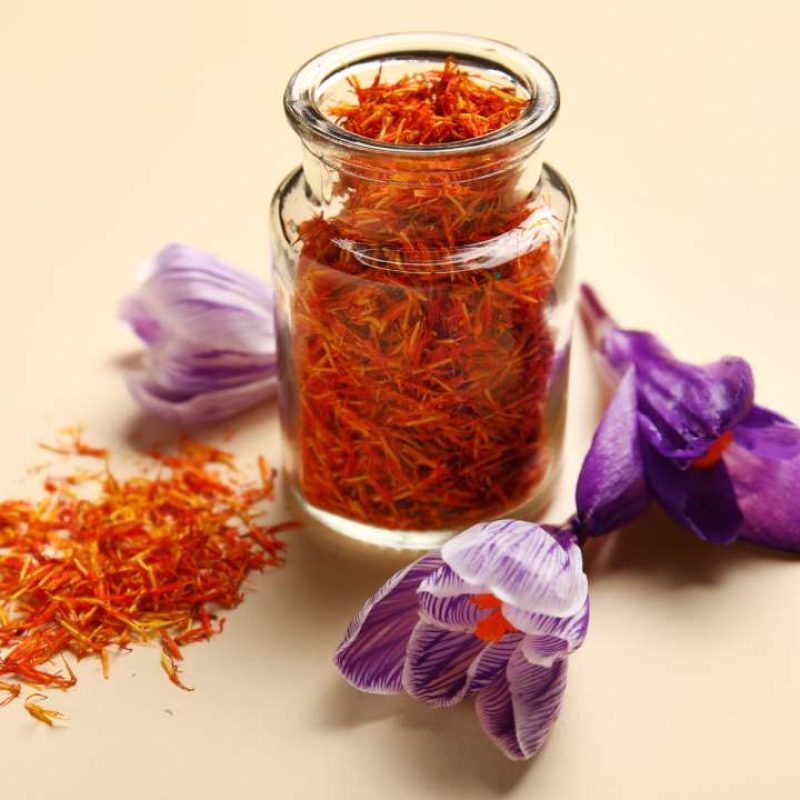
PROBIOSTRESS® femme — Microbiome & Mood Synergy
Combining standardized botanical actives (including SAFFR'ACTIV® saffron extract) with targeted probiotic strains, PROBIOSTRESS® femme addresses the complex intersection between gut-microbiome balance, urinary tract health, and stress-induced immune dysfunction in women.
Synergistic Active Ingredients Matrix
Formulators seeking to create 360-degree female urogenital health products can leverage GPE’s portfolio to build comprehensive nutraceutical concepts:
- CRAN'BEY® + D-Mannose: Dual-action physical anti-adhesion. While PAC-A disables P-fimbriae binding, D-Mannose saturates Type-1 fimbriae, ensuring complete bacterial flushing.
- CRAN'BEY® + PROBIOSTRESS® femme: Urogenital flora recolonization. Probiotic strains produce lactic acid and hydrogen peroxide to maintain an acidic vaginal pH, preventing pathogenic migration to the urethra.
- CRAN'BEY® + SAFFR'ACTIV®: Addressing chronic UTI-associated stress and somatic discomfort through clinically validated saffron bioactive crotins and safranal.
3. Molecular Mechanism & The BL-DMAC Analytical Standard
To understand why standard cranberry powders fail in clinical trials, formulators must analyze the microscopic interaction between Uropathogenic Escherichia coli (UPEC) and human bladder mucosal cells.
Pathogenic Mechanism: Bacterial Adhesion to Uroepithelium
Over 80% of uncomplicated UTIs are caused by UPEC strains. These bacteria utilize hair-like surface appendages called fimbriae (pili) to attach to specific carbohydrate receptors on the uroepithelial lining:
- Type 1 Fimbriae: Mannose-sensitive appendages that attach to uroplakins on mucosal surfaces.
- P-Fimbriae (Pap fimbriae): Mannose-resistant appendages that specifically attach to α-D-Galp-(1→4)-β-D-Galp sugar sequences found on kidney and bladder epithelial membranes.
When PAC-A molecules from CRAN'BEY® enter the urinary tract, they bind directly to the donor strand peptides of P-fimbriae. This steric hindrance causes the fimbriae to collapse and lose their helical rigidity, preventing the bacteria from anchoring to cell walls. Unattached UPEC bacteria are subsequently flushed out naturally during micturition without inducing cellular lysis or antibiotic selection pressure.
A major challenge for procurement managers is comparing PAC claims between global suppliers. Many low-cost vendors quote PAC percentages derived from total UV-Vis Spectrophotometry (Ph. Eur.) or Bates-Smith acid hydrolysis. These older analytical methods react unspecifically with all anthocyanins, prodelphinidins, and non-active polyphenols, artificially inflating reported PAC concentrations by 300% to 500%.
GPE standardizes CRAN'BEY® utilizing the BL-DMAC (Brunswick Laboratories 4-dimethylaminocinnamaldehyde) colorimetric method. BL-DMAC specifically reacts with the C2-C3 single bond of flavan-3-ols and soluble PAC-A oligomers, offering absolute precision and reproducibility for regulatory compliance and dosage calculation.
Comparative Analytical Method Matrix
| Methodology | Target Specificity | Accuracy Level | Commercial Impact / Procurement Risk |
|---|---|---|---|
| BL-DMAC Assay | Soluble Monomers & Active PAC-A Oligomers | High (Gold Standard) | Accurate dosing; true clinical efficacy reflected in label claim. |
| HPLC / MS-MS | Individual PAC-A Structural Isomers | Extreme (Research Grade) | High operational cost; essential for structural research and verification. |
| Ph. Eur. (UV-Vis) | Total Polyphenols / Oxidized Tannins | Low (Overestimates) | Yields false high PAC claims (e.g., 50% PAC claim = only 7-10% real DMAC). |
| Bates-Smith Method | Acid-Cleaved Anthocyanidins | Moderate-Low | Fails to isolate double-bonded A-type linkages from B-type interflavan chains. |
4. Future Procurement & Market Development Trends
As consumer awareness expands and regulatory scrutiny intensifies across North America, Europe, and Asia-Pacific, global purchasing directors must align their raw material sourcing with key emerging trends shaping the cranberry extract landscape through 2030:
A. Escalating Demand for Non-Antibiotic Prophylaxis
With the World Health Organization classifying antimicrobial resistance among the top global public health threats, health authorities are actively discouraging long-term low-dose antibiotic regimens for recurrent cystitis. High-potency, standardized cranberry extracts offer a biologically sound alternative that does not disrupt systemic microbiome homeostasis or induce microbial resistance.
B. Clean-Label, Sugar-Free, and Solvent-Free Extraction
Historical urinary health products relied heavily on sweetened cranberry juice cocktails containing excessive refined sugars—counterproductive for patients managing glycemic spikes or fungal overgrowth (e.g., Candida albicans). B2B procurement is shifting decisively toward low-temperature, water-extracted, solvent-free powders that comply with European clean-label standards and strict pesticide Maximum Residue Limits (MRLs).
C. Diversification of Delivery Formats
While traditional hard-gel capsules remain a staple, rapid growth is occurring in alternative delivery systems:
- Fast-Melt Direct Powder Sachets: Requiring high water solubility and pleasant organoleptic profiles without harsh astringency.
- Functional Gummies: Mandating botanical extracts with high thermal stability and minimal pectin/gelatin cross-linking interference.
- Effervescent Tablets: Requiring clear dissolution without gritty sedimentation or moisture-triggered degradation.
5. Formulator’s Guide: Dosages, Stability & Formulations
Achieving optimal therapeutic outcomes requires strict adherence to clinically validated dosing thresholds and proper processing conditions during finished product manufacturing.
Recommended Clinical Dosing Guidelines
Clinical studies demonstrate that a minimum daily intake of 36 mg of PAC-A (measured via BL-DMAC) is required to elicit significant urinary anti-adhesion activity over a 24-hour period. Depending on the concentration of the raw material supplied, formulators should adjust finished dose mass accordingly:
| Target Health Claim | Required Daily PAC-A (BL-DMAC) | Recommended Delivery Frequency | Synergistic Actives Co-Formulation |
|---|---|---|---|
| Daily Bladder Maintenance | 18 mg – 36 mg / day | Once daily (Morning) | Vitamin C, Zinc, Probiotics |
| Acute Recurrence Defense | 36 mg – 72 mg / day | Twice daily (Morning / Evening) | D-Mannose (2g), Bearberry Extract |
| Women's Urogenital Care | 36 mg / day | Once daily | PROBIOSTRESS® femme, Saffron Extract |
Manufacturing & Processing Parameters
CRAN'BEY® is engineered to seamlessly integrate into standard commercial pharmaceutical and nutraceutical processing equipment:
- Thermal Stability: Thermally stable up to 80°C during short-interval processing (e.g., gummy cooking or pasteurization cycles).
- pH Stability: Highly stable in acidic environments (pH 2.5 to 4.5), preserving structural PAC-A integrity through stomach transit.
- Hygroscopicity & Flowability: Optimized particle mesh distribution ensures excellent flowability in high-speed encapsulation machinery with minimal silica glidant requirement.
6. Corporate Advantage: Why Partner with Green Plants Extracts (GPE)?
When purchasing botanical active ingredients, supply chain reliability, technical documentation, and scientific rigor are paramount. Green Plants Extracts (GPE) brings an unmatched level of authority, credibility, and security to global B2B procurement.
The Massó Group Heritage & Quality Commitment
As an integral division of Comercial Química Massó, S.A.—a pioneer in specialty chemistry and fine botanical extracts with over 15 years of dedicated R&D tradition based in Barcelona, Spain—GPE operates under strict European quality management standards.


