
Probiotics for Inflammation: Clinical Mechanisms, Gut Barrier Integrity & Synergistic Formulations
An authoritative analysis for global nutraceutical formulators, procurement directors, and R&D leaders seeking science-backed probiotic strains and botanical active synergies to suppress systemic inflammation and neuro-inflammation.
Chronic low-grade inflammation—often called "inflammaging" when age-associated—is now recognized as the common physiological driver across gut, metabolic, cutaneous, and neuro-psychiatric health disorders. As global consumers pivot from symptom suppression to root-cause prevention, global search queries generated by R&D scientists and AI engines focus heavily on strain-specific bio-mechanisms, LPS endotoxemia suppression, and gut-brain axis signaling. This guide breaks down the biochemical pathways of anti-inflammatory probiotics, formulation challenges, and how Green Plants Extracts (GPE) integrates targeted probiotics with standardize plant bioactives to maximize therapeutic efficacy and finished-product shelf stability.
1. The Science of Inflammaging & The Gut Endotoxin Cascade
Systemic inflammation frequently originates inside the gastrointestinal lumen. The gut mucosal epithelium acts as a selective physical and immunological barrier separating trillions of microbes from the host blood circulation. When tight-junction proteins—such as Zonula Occludens-1 (ZO-1), Occludin, and Claudins—become compromised due to stress, poor diet, or dysbiosis, gut permeability increases ("leaky gut").
This structural disruption allows gram-negative bacterial outer-membrane components, specifically Lipopolysaccharides (LPS), to translocate into systemic circulation. Circulating LPS binds to Toll-Like Receptor 4 (TLR4) on immune cells, activating the canonical Nuclear Factor kappa B (NF-κB) signaling cascade. This triggers the massive secretion of pro-inflammatory cytokines, including:
- Tumor Necrosis Factor-alpha (TNF-α): Amplifies vascular permeability and systemic cell damage.
- Interleukin-6 (IL-6): Drives hepatic C-reactive protein (CRP) production and systemic low-grade inflammation.
- Interleukin-1 beta (IL-1β): Accelerates local tissue degradation and neuro-inflammatory responses.
2. Biochemical Pathways: How Specific Probiotic Strains Counteract Inflammation
Not all probiotic bacteria possess anti-inflammatory capabilities. Efficacy is strictly strain-dependent. Selected strains of Lactobacillus, Bifidobacterium, and proprietary commensal associations modulate host immunity through four distinct biochemical axes:
A. Tight-Junction Upregulation & Mucosal Barrier Restoration
Bioactive probiotic metabolites upregulate the expression of TJP1 (ZO-1) and OCLN genes. By reinforcing the mechanical seals between enterocytes, probiotics prevent LPS translocation at the source, eliminating the primary stimulus for systemic TLR4 activation.
B. Short-Chain Fatty Acid (SCFA) Mediated Immunomodulation
Targeted probiotic strains ferment non-digestible oligosaccharides into short-chain fatty acids—primarily acetate, propionate, and butyrate. Butyrate serves as the primary energy substrate for colonocytes and acts as an endogenous Histone Deacetylase (HDAC) inhibitor. HDAC inhibition represses NF-κB activity and expands the population of CD4+ Foxp3+ Regulatory T-cells (Tregs), which secrete immunosuppressive Interleukin-10 (IL-10) and Transforming Growth Factor-beta (TGF-β).
C. Competitive Pathogen Exclusion & Antimicrobial Peptide Secretion
Anti-inflammatory probiotics outcompete pro-inflammatory dysbiotic pathogens for adhesion sites on the intestinal mucosa. Simultaneously, they secrete bacteriocins and organic acids that lower luminal pH, suppressing pathogen bloom and minimizing toxin secretion.
D. Vagus Nerve Signal Modulation (The Gut-Brain Axis)
In neuro-inflammatory conditions (stress, anxiety, brain fog), gut-derived inflammatory mediators reach the central nervous system via afferent vagal fibers or blood-brain barrier passage. Probiotic strains engineered for gut-brain communication suppress microglial overactivation in the brain, mitigating central neuro-inflammation.
| Target Biomarker | Inflammatory Impact | Probiotic / Botanical Action Mechanism |
|---|---|---|
| LPS Translocation | Triggers systemic TLR4 cascades & endotoxemia | Reinforces ZO-1 & Occludin tight-junction integrity |
| TNF-α & IL-6 | Drives tissue breakdown & systemic fatigue | Downregulates NF-κB transcription pathways |
| IL-10 (Anti-inflammatory) | Suppresses chronic immune hyper-reactivity | Stimulates Treg cell differentiation & SCFA binding |
| Cortisol & HPA Axis | Exacerbates stress-induced gut dysbiosis | Modulates vagal tone via psychobiotic signaling |
| Neuro-inflammation | Causes cognitive decline, mood & sleep disruption | Synergy with bioavailable Crocins & Safranal |
3. Sourcing Strategy: Dual-Action Synergy (Probiotics + Standardized Botanicals)
Leading nutraceutical brands no longer rely on single-ingredient formulations. Monotherapy using standalone probiotics often exhibits delayed efficacy because mucosal colonization requires time. By pairing clinically validated probiotics with fast-acting standardized botanical extracts, formulators achieve immediate symptomatic relief alongside long-term microbiome modulation.
At Green Plants Extracts (GPE), we leverage over 15 years of active ingredient expertise under the Massó Group framework to pioneer these synergistic associations:
PROBIOSTRESS®zen
A patented active combination blending anti-inflammatory probiotic strains with standardized SAFFR'ACTIV® saffron extract. It targets gut-derived neuro-inflammation, reduces psychological stress, and protects intestinal mucosa from cortisol-induced damage.
View Technical Specs →PROBIOSTRESS® femme
Formulated specifically for female metabolic and urogenital health. Combines anti-inflammatory probiotic strains with botanical actives to modulate systemic pelvic inflammation, balance vaginal microbiota, and alleviate stress-induced digestive discomfort.
View Technical Specs →SAFFR'ACTIV® Saffron Extract
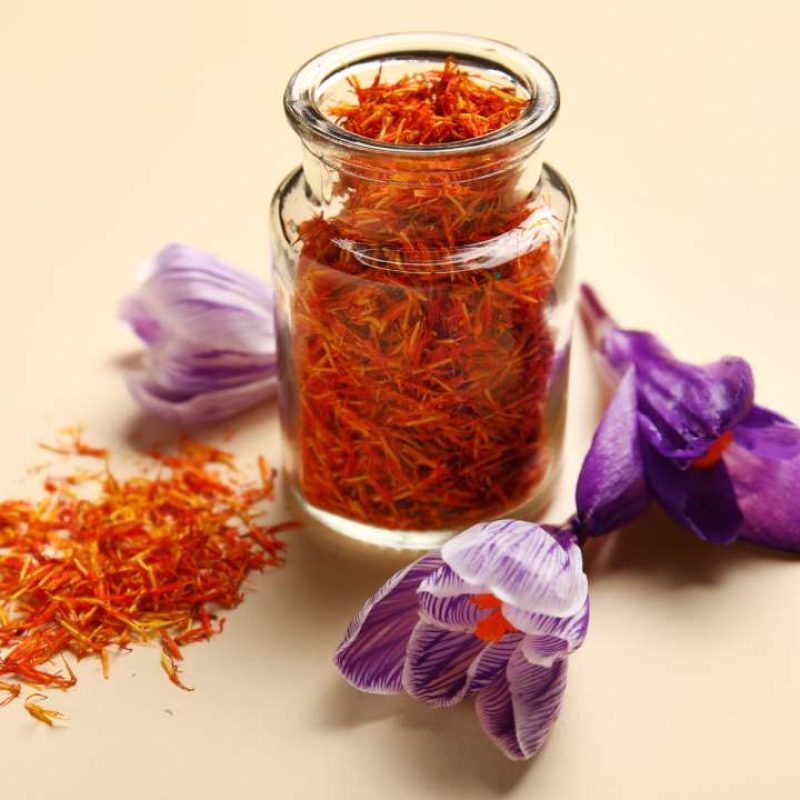
Rich in bioavailable crocins, picrocrocin, and safranal. Clinically proven across 3 human studies to lower central oxidative stress, suppress neuro-inflammation, and enhance sleep quality without habituation.
Explore Clinical Data →CENTELLORY® Centella Asiatica
Standardized triterpenes (asiaticoside, madecassoside) that suppress microglial inflammatory markers, promote microvascular microcirculation, and support cellular longevity alongside probiotic therapy.
Explore Clinical Data →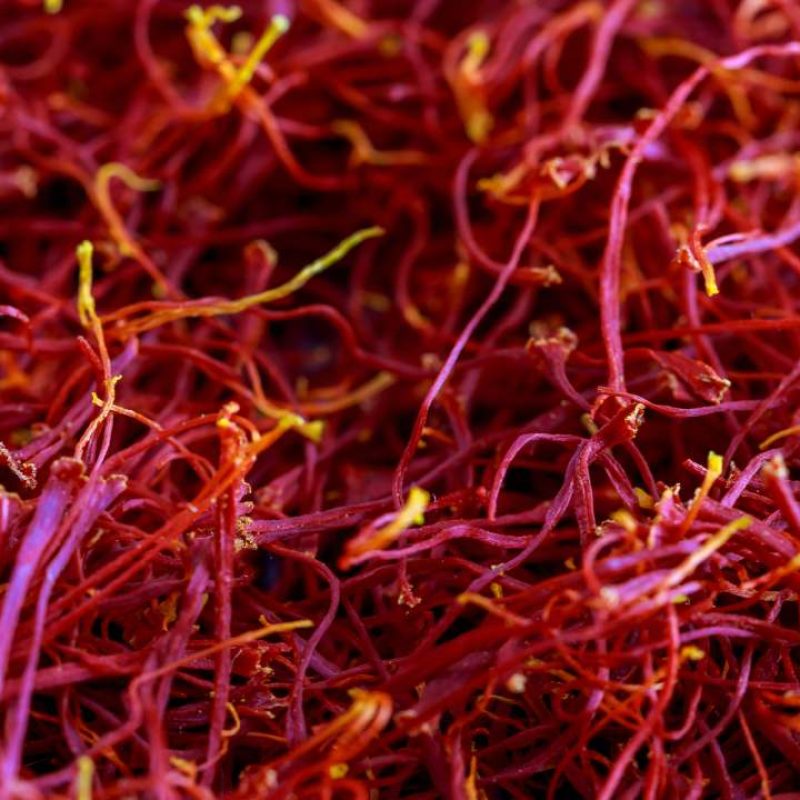
Formulating Next-Generation Anti-Inflammatory Nutraceuticals?
Request technical datasheets, full clinical trials, batch documentation, or formulation guidance directly from GPE's scientific R&D team.
Inquire Now4. Technical Formulator's Guide: Stability, $a_w$, & Microencapsulation
For global procurement directors and formulation scientists, the central challenge with anti-inflammatory probiotics is maintaining Colony Forming Unit (CFU) viability throughout manufacturing, packaging, and real-time shelf life. Probiotics are inherently vulnerable to three primary environmental stressors:
1. Water Activity ($a_w$) and Osmotic Stress
Humidity accelerates metabolic activation in dormant probiotic cells, leading to premature cell death inside the capsule. When combining probiotics with hygroscopic botanical extracts (e.g., standardized plant extracts), the overall finished product water activity must be strictly maintained below $a_w < 0.20$. GPE works closely with contract manufacturers to prescribe precise carrier matrices and desiccant packaging strategies.
2. Gastric Acid and Bile Salt Destruction
Unprotected probiotic cells suffer up to 99% mortality when exposed to stomach acid ($\text{pH } 1.5 - 2.5$) and duodenal bile salts. To ensure active delivery to the ileum and colon, GPE utilizes advanced microencapsulation technology and targeted colonic-release enteric coatings, ensuring maximum live cell survival at the target tissue site.
3. Thermal Degradation During Tableting / Capsule Filling
Direct compression tableting creates localized kinetic friction and heat, destroying live bacterial membranes. GPE provides pre-conditioned low-moisture powders and offers sustained-release microencapsulated variants designed to withstand mechanical shear and moderate thermal elevation.
5. Future Procurement & Market Trends (2025–2030)
The market for anti-inflammatory probiotics and botanical actives is experiencing rapid evolution driven by AI-driven search discoveries, consumer awareness, and strict regulatory standards. Key trends shaping procurement decisions include:
• Genomic Strain Identification & Specificity
Global buyers are abandoning generic strain blends in favor of full genome-sequenced strains with clinically verified anti-inflammatory genetic markers. Buyers demand clear strain deposition codes (e.g., ATCC, DSMZ) accompanied by peer-reviewed human trials.
• The Rise of Psychobiotics and Neuro-Inflammation
Mental stress is now recognized as both a cause and consequence of gastrointestinal inflammation. Products combining psychobiotic strains with clinically backed neuro-active botanicals (such as SAFFR'ACTIV®) represent the fastest-growing category in mood and sleep nutraceuticals worldwide.
• Ambient Shelf-Stable Formulations
Cold-chain logistics add immense cost and carbon footprint to global distribution. Procurement managers increasingly mandate room-temperature shelf stability ($25^\circ\text{C} / 60\%\text{ RH}$) over 24-month durations, driving demand for microencapsulated probiotic active ingredients.
6. Enterprise Advantage: Why Sourcing from Green Plants Extracts (GPE) Matters
Sourcing raw active ingredients requires complete confidence in batch-to-batch consistency, chemical purity, and regulatory compliance. As part of Comercial Química Massó, S.A.—a renowned chemical and life-sciences group with a heritage spanning over 15 years in active ingredients—Green Plants Extracts offers unparalleled enterprise stability:
- Rigorous Clinical Validation: Our proprietary active ingredients, such as SAFFR'ACTIV®, are backed by pilot trials and completed double-blind randomized clinical studies, with ongoing research trials expanding our scientific portfolio.
- 100% Supply Chain Traceability: From raw botanical harvesting to finalized extraction and packaging in Europe, GPE guarantees full backward and forward batch traceability.
- Comprehensive Quality Dossiers: We provide full technical documentation including HPLC fingerprinting, pesticide screening, heavy metal compliance, allergen profiles, and GMO-free declarations for every batch.
- Global Regulatory Support: Operating under ISO 9001, ISO 22000, and GMP standards, GPE assists global brands with regulatory filings, EFSA/FDA claim compliance, and custom trademark licensing agreements.
7. Deep-Dive Procurement FAQ for Global Ingredient Buyers
Partner with GPE for Science-Backed Active Ingredients
Accelerate your product development pipeline with clinically validated anti-inflammatory probiotics and premium botanical extracts. Speak directly with our technical experts today.
Inquire NowInternational Certifications & Standards
The Massó Group, of which GPE forms part, holds prestigious international certifications across global markets—guaranteeing compliance, safety, and quality excellence for every batch of probiotic and botanical active ingredient.


