
1. Executive Overview: The Paradigm Shift to Microencapsulated Botanical Extracts
In the evolving landscape of functional foods, dietary supplements, and pharmaceutical-grade nutraceuticals, standard unencapsulated plant extracts present severe formulation challenges. Bioactive phytochemicals—such as volatile monoterpenes, labile polyphenols, hydrophobic carotenoids, and heat-sensitive probiotics—are inherently prone to rapid degradation when exposed to atmospheric oxygen, ambient moisture, light, elevated processing temperatures, and gastric acid hydrolysis.
Microencapsulated Botanical Extracts represent a fundamental technology shift designed to overcome these biochemical vulnerabilities. By surrounding sensitive active core molecules inside microscopic protective carriers (ranging from 1 to 1000 micrometers), microencapsulation transforms fragile natural liquids or hygroscopic powders into highly stable, free-flowing, and bioavailable functional raw materials.
Core Engineering Objectives of Microencapsulation in B2B Sourcing:
- Physicochemical Isolation: Shielding oxygen-sensitive actives (e.g., Crocin, Safranal, Proanthocyanidins) from oxidative rancidity and degradation.
- Controlled-Release Kinetics: Preventing premature dissolution in acidic gastric environments (pH 1.5–2.0) to ensure targeted absorption in the small intestine (pH 6.8–7.4).
- Organoleptic Neutralization: Masking strong botanical bitterness, astringency, or pungent odor profiles for clean-label beverage powders and chewable delivery formats.
- Thermal Protection: Preserving active compound integrity during high-shear blending, tableting compression friction, and pasteurization cycles.
2. Mechanism of Action & Microencapsulation Matrix Technologies
Achieving optimal bioaccessibility requires precise selection of shell matrix polymers and micro-entrapment techniques. At Green Plants Extracts (GPE), our drug delivery and particle engineering specialists utilize specialized encapsulation matrices tailored to the physical chemistry of each target plant extract.
Fluidized Bed Spray Coating & Lipid-Based Microencapsulation
For hydrophobic active substances and sustained-release applications, lipidic microencapsulation utilizes food-grade hydrogenated vegetable lipids, castor oil derivatives, or sunflower oil matrices. The active core is uniformly suspended within molten lipid droplet matrices or coated in a fluidized air stream. As the lipid cools, it forms a impermeable barrier that resists aqueous dissolution until digested by intestinal lipases.
This exact mechanism is leveraged in our proprietary BEAN'ERGY® microencapsulated natural caffeine ingredient. Standard caffeine causes rapid systemic spikes followed by acute energy crashes, jitters, and gastrointestinal distress due to rapid gastric absorption. Through specialized lipid microencapsulation, BEAN'ERGY® resists gastric breakdown, providing a smooth, sustained release of natural caffeine across 4 to 6 hours.
| Technology Format | Wall / Carrier Material | Primary Application | Target Release Profile |
|---|---|---|---|
| Lipid Coated Micro-Pellets | Castor Oil / Sunflower Lipids | Natural Caffeine (BEAN'ERGY® 60C / 60S) | Intestinal Lipase-Triggered (4–6 Hr Sustained) |
| Spray-Dried Hydrocolloid Matrix | Acacia Gum / Maltodextrin | Saffron Extract (SAFFR'ACTIV® 3C PIM) | Gastric Protection & High Water Solubility |
| Polymeric Micro-Coating | Clean-Label Plant Proteins / Cellulose | Probiotic Formulations (PROBIOSTRESS®) | Enteric Shielding (pH-Dependent) |
| Insoluble Lipid Matrix | Hydrogenated Plant Lipids | Cranberry PACs (CRAN'BEY®) | Sustained Urinary Tract Translocation |
3. Global Market Dynamics & Emerging B2B Procurement Trends (2025–2030)
Global procurement directors and supply chain executives face changing market expectations. Enterprise buyers are pivoting away from unstandardized crude plant powders toward clinically validated, delivery-optimized active botanical ingredients.
Trend 1: Demand for Clean-Label, Non-Synthetic Wall Materials
Regulatory bodies, such as the European Food Safety Authority (EFSA) and the US FDA, continue to scrutinize synthetic polymers (e.g., ethylcellulose, acrylic resins). The market demands 100% natural, plant-derived microencapsulating agents such as sunflower lecithin, castor derivatives, native starches, and gum arabic. Buyers now require suppliers to disclose full supply chain traceability for both the active plant extract and the coating matrix.
Trend 2: The Gut-Brain Axis and Nootropic Bioaccessibility
As consumer interest in cognitive health, stress mitigation, and sleep architecture expands, formulating effective gut-brain axis nutraceuticals has become a key priority. Botanical actives targeting neurological function—such as Crocin from Saffron (*Crocus sativus*) or Baicalin from *Scutellaria baicalensis*—must pass through the digestive system intact to exert systemic biological effects. Microencapsulation preserves delicate polyphenols during digestion, maximizing systemic bioaccessibility.
Trend 3: High-Temperature Stability in Functional Foods & Gummies
The rapid expansion of functional gummies, ready-to-mix (RTM) stick packs, and ready-to-drink (RTD) beverages presents physical manufacturing challenges. Thermal stress during gummy cooking (90°C–110°C) or liquid pasteurization rapidly degrades unencapsulated botanical active components. Heat-resistant microencapsulated extracts protect active molecules against thermal degradation, ensuring finished products meet label claims throughout their shelf life.
4. Science-Backed Microencapsulated & Standardized Botanical Portfolio
Green Plants Extracts (GPE), backed by 15+ years of botanical expertise and the industrial capability of Comercial Química Massó, provides proprietary, clinically supported active ingredients tailored for demanding global procurement specifications.
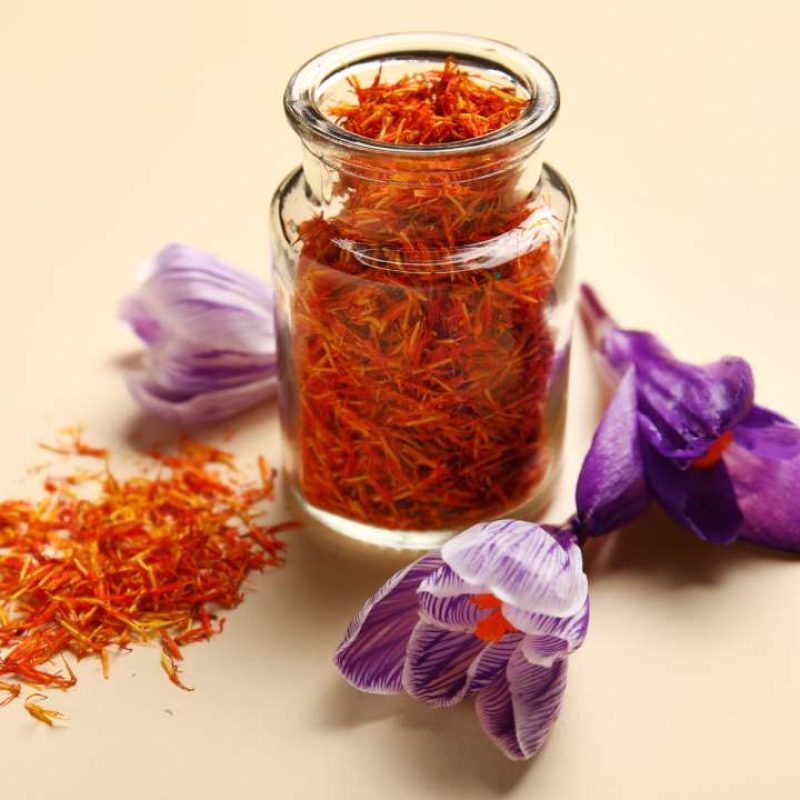
SAFFR'ACTIV® — Premium Saffron Extract
Standardized in Crocin, Safranal, and Picrocrocin. Clinically validated across multiple trials for emotional balance, sleep quality, and mood enhancement. Available in specialized microencapsulated formats (3C PIM) for enhanced stability.
View Technical Dossier →
BEAN'ERGY® — Microencapsulated Natural Caffeine
Natural caffeine coated with plant lipid matrices. Provides sustained energy release over 4 to 6 hours without spikes or crashes. Formulated for high thermal processing resistance (up to 85°C).
View Technical Dossier →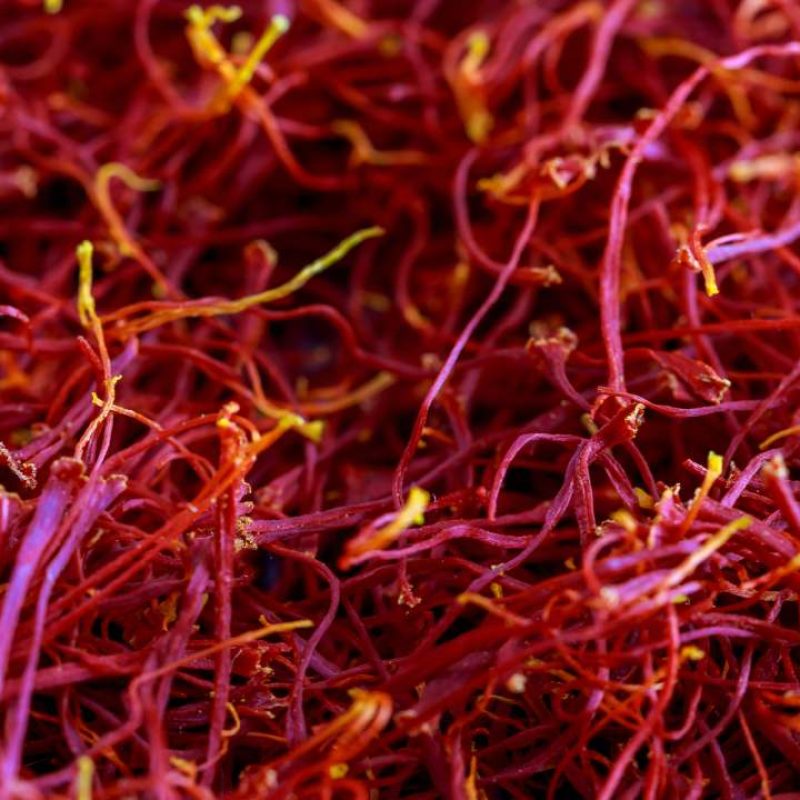
SCUTELL'UP® — Cognitive Potential & Focus
Derived from *Scutellaria baicalensis*, rich in active flavones (Baicalin). Enhances focus, mental clarity, and executive function. Highly stable powder with a low minimum order quantity (MOQ: 1 kg).
View Technical Dossier →
PROBIOSTRESS®zen — Gut-Brain Axis Synergy
A synergistic blend combining micro-shielded probiotic strains with standardized botanical active extracts. Supports mental calm, stress resilience, and gastrointestinal homeostasis.
View Technical Dossier →Request Technical Specifications & Sample Dossiers
Need custom particle sizing, specialized dissolution profiles, or batch-specific analytical validation for your product line? Connect directly with our technical sourcing specialists in Barcelona.
Contact Us5. Institutional Authority & Corporate E-E-A-T Guarantee
Evaluating raw material suppliers requires verifying manufacturing rigor, quality management certifications, and compliance capabilities. Green Plants Extracts operates as the specialized life sciences division of Comercial Química Massó, S.A., bringing robust institutional backing to every customer partnership.
15+ Years of Dedicated Botanical R&D
Founded on a commitment to evidence-backed active ingredients, GPE has pioneered clinical research into standardized botanical extracts. Our clinical research portfolio includes multiple published human clinical trials on SAFFR'ACTIV®, proving measurable physiological benefits in sleep quality, mood modulation, and cognitive performance in both adults and pediatric populations (aged 6+).
Rigorous Analytical Testing & Full Traceability
Every batch of microencapsulated botanical extract undergoes thorough analytical characterization prior to batch release:
- High-Performance Liquid Chromatography (HPLC): Quantifying active markers (e.g., Crocin, Safranal, Baicalin, Caffeine) to guarantee consistent batch-to-batch potency.
- Particle Size Distribution Analysis (Laser Diffraction): Verifying microencapsulate size profiles to optimize flowability, solubility, and tableting compression.
- Dissolution & Release Testing: Simulating USP gastric and intestinal fluid environments to confirm targeted dissolution kinetics.
- Contaminant Screening: Comprehensive testing verifying the absolute absence of heavy metals (Pb, Cd, Hg, As), pesticide residues (>500 screen list), mycotoxins, PAH compounds, and microbial pathogens.
6. Procurement Sourcing Checklist for Global B2B Buyers
When specifying microencapsulated plant extracts for international regulatory submissions (US FDA, EU EFSA, TGA Australia), procurement teams should evaluate suppliers against these key standards:
- Coating Carrier Full Transparency: Ensure the coating material is clearly identified and compliant with target country food additive regulations.
- Active Payload Concentration: Verify that microencapsulation does not excessively dilute active concentration, which could require unsustainable capsule fill weights.
- Thermal Limits: Confirm the melting threshold of lipid microencapsulates (e.g., BEAN'ERGY® 60S up to 65°C; BEAN'ERGY® 60C up to 85°C) to match your manufacturing process temperatures.
- Supply Chain Sustainability & Regulatory Dossiers: Request complete Quality Dossiers, including ISO/GMP certificates, Allergen statements, Non-GMO declarations, BSE/TSE-free attestations, and Halal/Kosher accreditations.


