Latest Botanical & Nutraceutical Insights
Discover expert research, clinical evidence, and industry analysis on active botanical ingredients and natural health solutions.
Best Botanical Active Ingredients for Natural Remedies?
Table of Contents
- Best Botanical Active Ingredients for Natural Remedies
- Understanding Botanical Active Ingredients and Their Benefits
- Top Botanical Ingredients for Common Health Conditions
- How to Choose the Right Botanical Active Ingredients for You
- Safety and Efficacy of Botanical Remedies: What You Need to Know
- FAQS
- Conclusion
- Related Posts
In today's world, the quest for natural remedies is growing rapidly. People are increasingly seeking alternatives to synthetic ingredients. One significant aspect of this search includes the use of botanical active ingredients. These plant-derived compounds have gained attention for their therapeutic properties.
Botanical active ingredients are often praised for their effectiveness. From soothing skin irritations to boosting immune function, these natural substances can provide a range of health benefits. Many traditional remedies have relied on these ingredients for centuries, showcasing their reliability. However, not all botanical ingredients are created equal. The quality and concentration can vary widely, leading to questions about efficacy.
Research continues to uncover the vast potential of botanical active ingredients. Yet, the complexity of plant chemistry sometimes leaves gaps in our understanding. It’s essential to approach these remedies with an open mind and a critical eye. With thorough research and credible sources, we can explore the best options available.
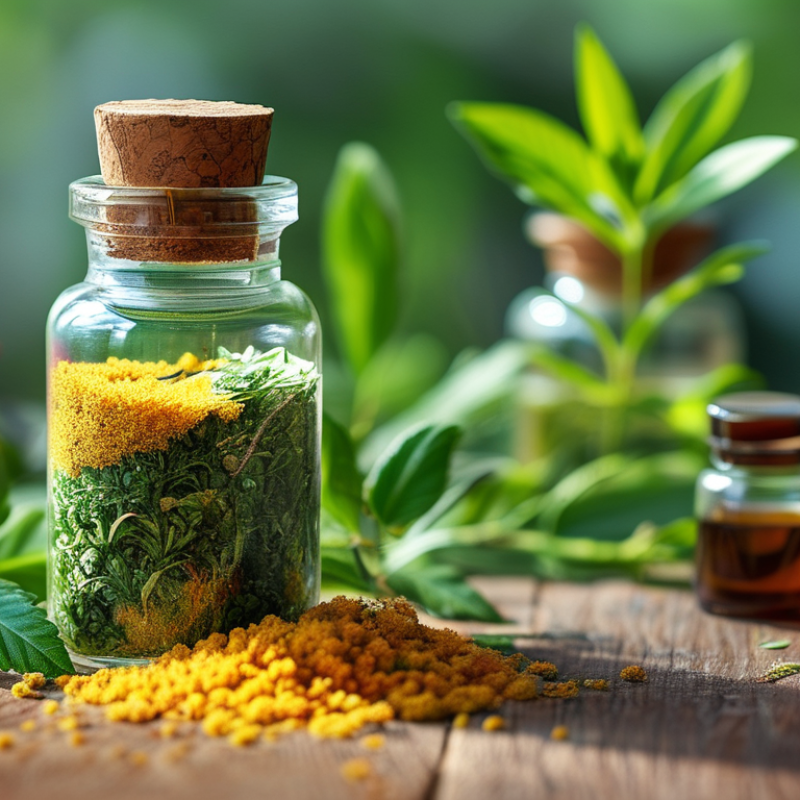
Best Botanical Active Ingredients for Natural Remedies
Botanical active ingredients play a crucial role in natural remedies. These plant-derived compounds have been used for centuries. Recent studies show that nearly 38% of adults are using herbal supplements regularly. They often seek alternatives to synthetic medications.
Common active ingredients like aloe vera and turmeric are widely recognized for their health benefits. Aloe vera is known for its soothing properties and healing ability. Its gel is often used for skin irritations and burns. Turmeric, on the other hand, is praised for its anti-inflammatory properties. It can potentially aid in reducing arthritis pain, according to research published by the National Center for Complementary and Integrative Health.
**Tip:** Always consider sourcing your botanical ingredients from reliable suppliers. Quality matters when it comes to efficacy.
Another fascinating ingredient is echinacea, often used to boost immune health. Studies show it may reduce the duration of colds by more than 25%. But individual results can vary significantly. Some may find it effective, while others may not see any benefits at all.
**Tip:** Patch-test topical applications of botanicals before widespread use. This small step can prevent potential skin reactions.
Incorporating these active ingredients into your routine can be beneficial, but understanding their limitations is key. Not all remedies work for everyone. Personalized approaches are often most effective.
Understanding Botanical Active Ingredients and Their Benefits
Botanical active ingredients are nature's gifts, offering a range of benefits for health and wellness. These compounds are derived from plants and possess therapeutic properties. For example, aloe vera is renowned for its soothing effects on the skin. Chamomile is famous for its calming properties, often used in herbal teas to promote relaxation.
When exploring these ingredients, it’s crucial to approach with care. Each plant has its own profile of benefits and potential side effects. Some botanicals may not suit everyone and can cause allergic reactions. It’s vital to do proper research. Consult a professional if uncertain about usage.
Tips: Start small with any new botanical. Observe your body’s response before increasing dosage. Always source from reputable providers. Experimenting mindfully can lead to discovering what works best for you. Keep a journal to track your experiences with different botanicals. Reflect on their effects over time; this awareness enhances your understanding of natural remedies.
Best Botanical Active Ingredients for Natural Remedies
| Botanical Ingredient | Source Plant | Common Uses | Potential Benefits |
|---|---|---|---|
| Aloe Vera | Aloe barbadensis miller | Skin Soothing, Burns Healing | Moisturizing, Anti-inflammatory |
| Chamomile | Matricaria chamomilla | Tea, Skin Application | Calming, Anti-inflammatory |
| Lavender | Lavandula angustifolia | Aromatherapy, Skin Care | Relaxation, Antiseptic |
| Turmeric | Curcuma longa | Spice, Supplements | Antioxidant, Anti-inflammatory |
| Peppermint | Mentha × piperita | Tea, Oil, Digestive Aid | Digestive Relief, Cooling Effect |
Top Botanical Ingredients for Common Health Conditions
Botanical ingredients have gained prominence in addressing common health conditions. For instance, ginger is frequently used for its anti-inflammatory properties. A study found that it can significantly reduce muscle pain. Its compounds, particularly gingerol, have been recognized for their medicinal benefits.
Turmeric is another popular botanical active ingredient. Curcumin, its main component, has powerful antioxidant effects. Research indicates that curcumin may help alleviate symptoms of arthritis and other inflammatory conditions. Regular consumption might lead to improved joint health. However, its bioavailability is low. Combining turmeric with black pepper enhances absorption.
Tips: When using botanical remedies, consider the form—whether raw, powdered, or as tinctures. Experiment with dosages but start small. Keep a journal to track any effects you notice. Always consult a professional if unsure about interactions with medications.
Best Botanical Active Ingredients for Natural Remedies
How to Choose the Right Botanical Active Ingredients for You
Choosing the right botanical active ingredients for natural remedies can be quite complex. With over 80,000 plant species recognized for medicinal properties, how do you narrow it down? The first step is to understand your specific health needs. A study by the National Institutes of Health reveals that 75% of consumers prefer herbal remedies for chronic issues. Knowing what you’re aiming to address is vital.
Next, consider the quality and source of the botanical ingredients. The World Health Organization reports that nearly 40% of herbal products do not contain the stated ingredients. It's essential to look for transparency in sourcing. This might include certifications regarding organic farming or fair trade practices. The credibility of suppliers can often be reflective of the quality of the product.
Also, keep in mind potential interactions with other medications. A 2022 research report indicated that 20% of individuals experienced adverse effects from combining herbal ingredients with prescription drugs. Understanding your complete health profile is crucial. Always consult with a healthcare professional prior to starting new remedies. This ensures that you’re making choices that truly align with your health journey.
Safety and Efficacy of Botanical Remedies: What You Need to Know
Botanical remedies are gaining interest for their potential benefits. The World Health Organization estimates that 80% of the population in developing countries relies on herbal medicine. Yet, safety concerns often overshadow their use. Many botanicals lack comprehensive clinical trials, creating a gap in reliable data.
Research indicates that standardization is crucial for efficacy. A study published in the Journal of Ethnopharmacology revealed that inconsistent preparation methods can lead to variable outcomes. For instance, the active compounds in plants may differ based on geographic location or harvesting time. This inconsistency raises questions about the effectiveness and safety of these remedies.
Consumer awareness is increasing, but education is vital. A survey noted that 54% of users were unaware of potential side effects associated with botanical products. This lack of knowledge can lead to misuse or over-reliance. Understanding the importance of dosage and quality can enhance safety. As this field evolves, further research is necessary to ensure these remedies meet health safety standards.
FAQS
: Botanical active ingredients are compounds derived from plants, known for their therapeutic properties.
Many individuals seek alternatives to synthetic medications, often driven by personal health beliefs.
Aloe vera is recognized for its soothing and healing properties, often used for skin irritations.
Turmeric possesses anti-inflammatory properties, potentially helping to reduce arthritis pain.
Echinacea may reduce cold duration by over 25%, but results can vary widely between individuals.
Always patch-test topical applications and consult a professional if unsure about usage.
Start small, observe your body's response, and increase dosage gradually if suitable.
Quality matters significantly for the efficacy of botanical remedies.
Yes, some botanicals can cause allergic reactions or other side effects; research is essential.
Keeping a journal can enhance understanding of how different botanicals affect your health over time.
Conclusion
The article "Best Botanical Active Ingredients for Natural Remedies?" explores the essential role of botanical active ingredients in promoting health and wellness. These naturally derived compounds offer a range of benefits, helping to address common health conditions such as inflammation, digestion, and stress. Understanding these ingredients and their properties is crucial for anyone looking to incorporate natural remedies into their daily routine.
Furthermore, the article highlights key considerations when selecting botanical active ingredients, emphasizing the importance of choosing those that are safe and effective for individual needs. Safety and efficacy are paramount, ensuring that natural remedies work harmoniously with the body. By being informed about various botanical options, readers can make knowledgeable decisions about their health, maximizing the potential benefits of these powerful natural resources.

Blog Tags: